
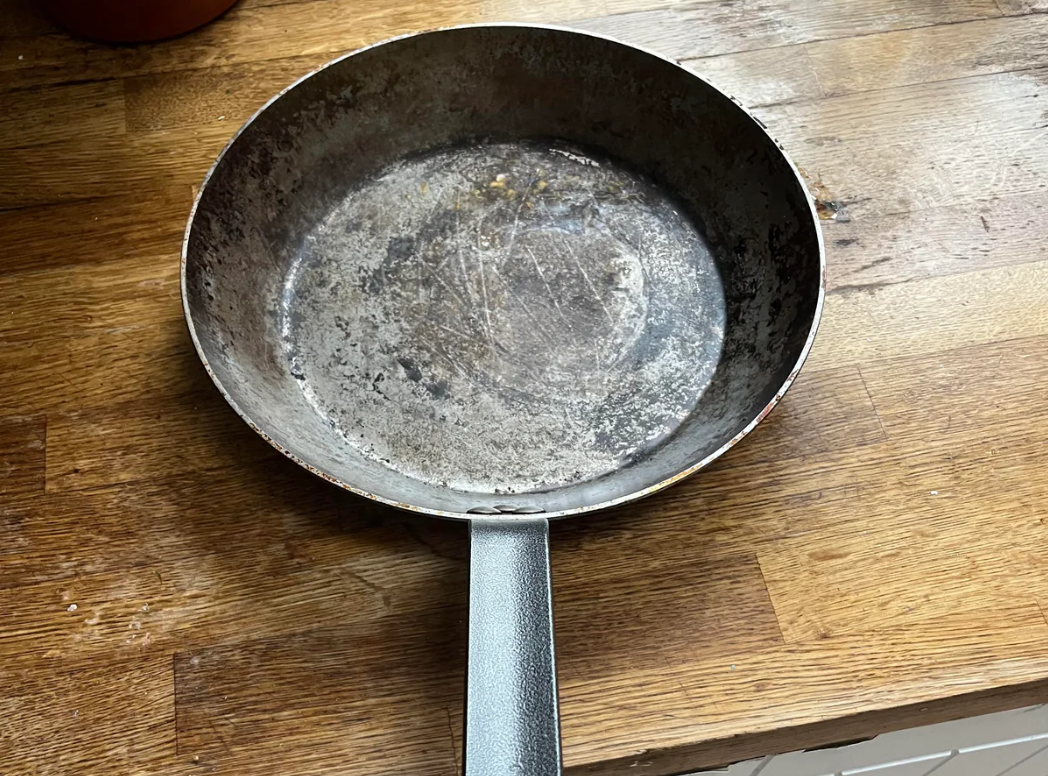
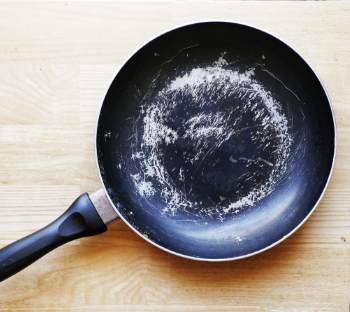
You buy it, you love it, it works perfectly… and then one day: sticking, stains, bubbling, peeling. The pan is still “usable,” but cooking suddenly feels like a chore again. Sound familiar?
The hidden expiration date of non-stick
Most non-stick pans come with a lifespan no one says out loud: 2 to 3 years (sometimes less with high heat). Not because you can’t cook—but because the coating is designed to wear down. Every round of heating, cooking, washing, and repeating breaks it down a little more.
And when that coating starts to go, the pattern is always the same:
-
you need more oil to prevent sticking
-
you scrub harder (which makes it wear faster)
-
results become inconsistent
-
and eventually… you replace it
The “cheap” trap: cheap becomes expensive
A €40 pan feels like a win… until you replace it every few years. Over a decade you might buy 4 or 5. Add it up and you realize: you’re paying for replacements, not performance.
Why titanium plays a different game
With pure titanium, you’re not relying on a fragile coating—you’re relying on the material itself:
-
no layer that can peel
-
resistant to corrosion and warping
-
built for long-term (read: lifetime) use
And the patina that develops over time? That’s not a flaw—it’s a natural surface evolution that can actually help performance.
The real question
Do you want to keep buying “the same pan” every few years… or invest once in something that doesn’t quit after 200 dinners?
Titanium isn’t a kitchen upgrade. It’s an exit from the replacement cycle.

Leave a comment
This site is protected by hCaptcha and the hCaptcha Privacy Policy and Terms of Service apply.