
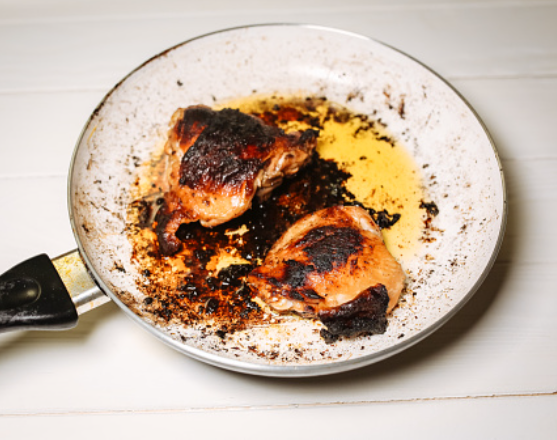
You do everything right: same recipe, same burner, same timing… and still, results vary. One side is perfectly golden, the other side stays weak or goes too dark. A lot of the time, it’s not you.
It’s your pan.
Hot spots: the invisible problem ruining your food
Many standard non-stick and ceramic pans don’t distribute heat evenly. You end up with:
-
hot spots (where food overcooks)
-
cold zones (where it just steams)
-
and cooking that feels like guesswork
That’s why you get:
-
uneven browning
-
meat that never lands quite right
-
sauces that thicken weirdly
-
and the constant urge to shuffle ingredients around the pan
Why it happens
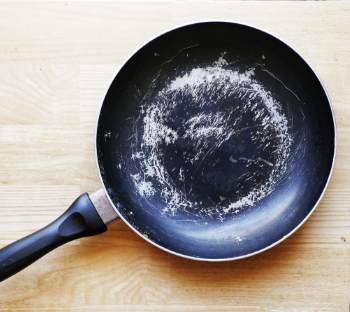
Thinner bases, heat damage over time, or materials that don’t spread heat well can lead to instability. And it often gets worse: pans can subtly warp, reducing contact with the heat source and making temperature even less consistent.
What consistent heat gives you (besides peace of mind)
When heat distribution is reliable, you feel it immediately:
-
better crust and browning
-
more even cooking
-
less “saving” the dish mid-way
-
and results that repeat the same way every time
Titanium and control
Titanium is known for stability and durability. In real kitchen terms: a pan that keeps performing, even after hundreds of heat cycles. No surprise zones. No “why is it acting weird today?”
You don’t cook harder. You cook smarter.

Leave a comment
This site is protected by hCaptcha and the hCaptcha Privacy Policy and Terms of Service apply.